Excellent
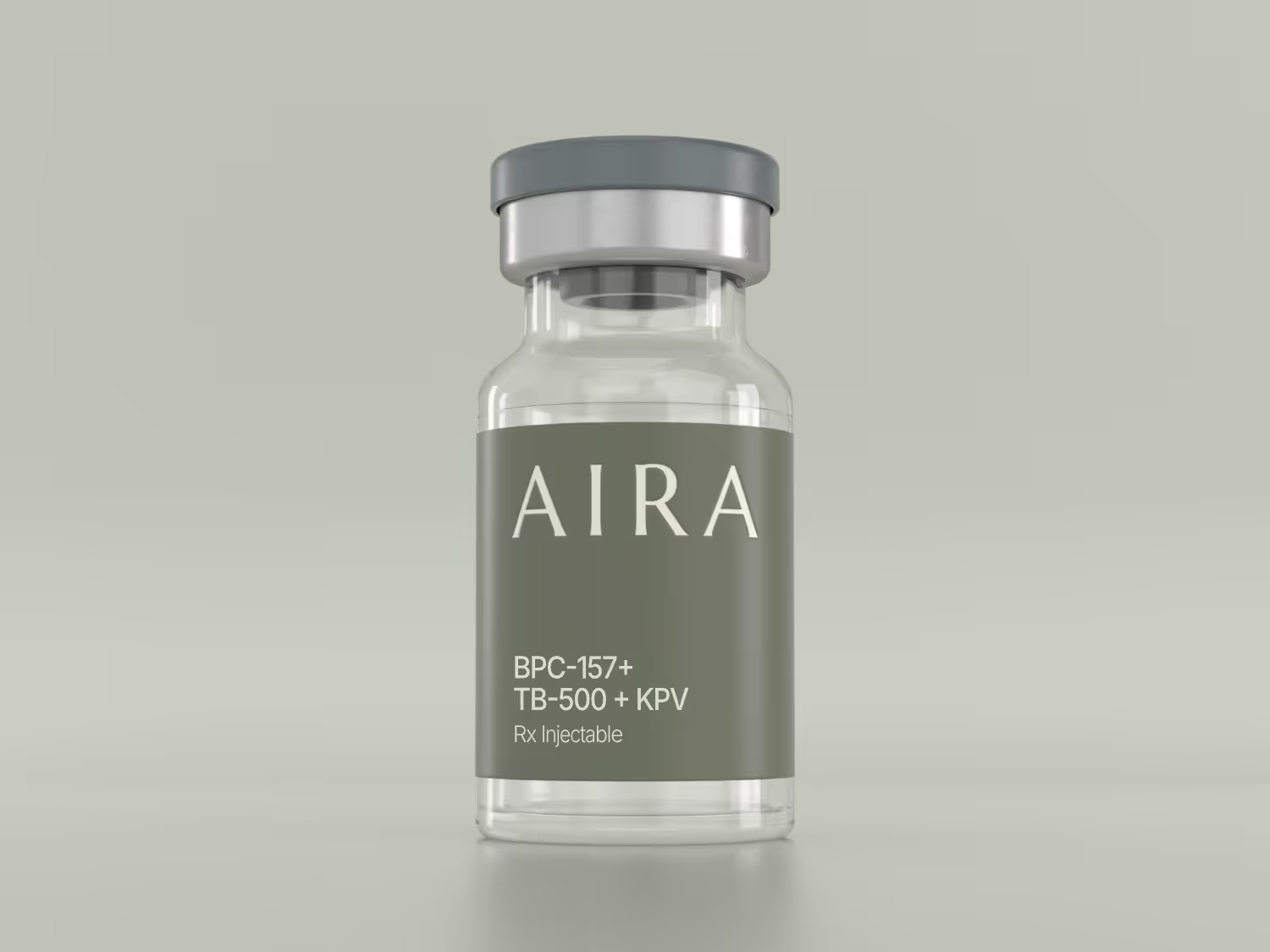
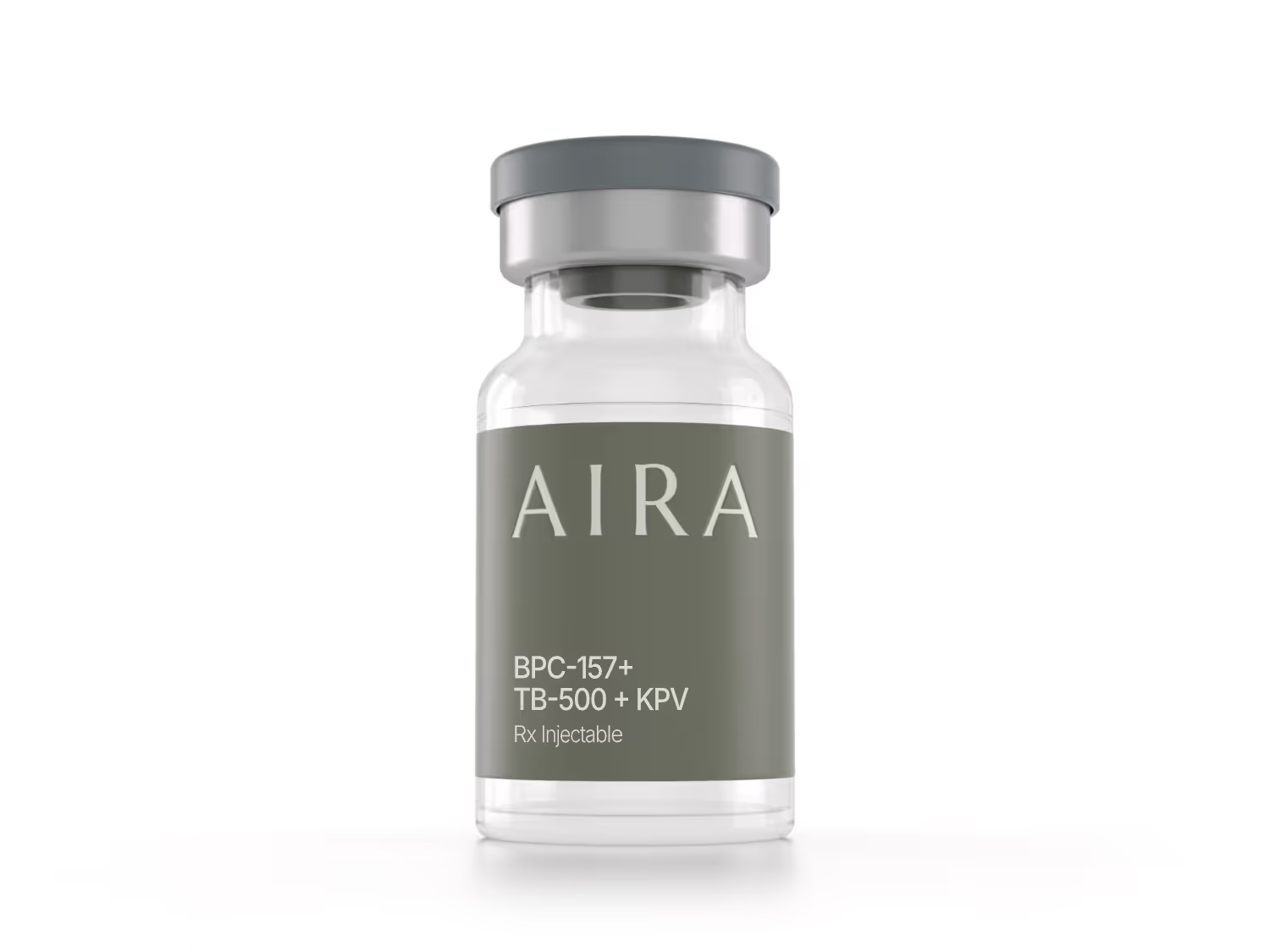
BPC-157 + TB-500 + KPV Peptide
BPC-157 + TB-500 + KPV is a physician-guided peptide stack designed to repair the gut lining, calm chronic digestive inflammation, and support systemic tissue healing from the inside out.
 Supports gut lining repair and integrity
 Calms chronic inflammation in the digestive tract
 Aids systemic tissue repair from the inside out
 Helps regulate immune activity in the gut
* Price reflects a 6-month treatment plan.
How It Works
This stack pairs three peptides that work on different layers of the same problem: a gut that is inflamed, irritated, or no longer healing on its own. BPC-157, a peptide first isolated from human gastric juice, supports mucosal repair and helps rebuild the protective barrier that lines your digestive tract. KPV, a tripeptide fragment of alpha-MSH, acts as a targeted anti-inflammatory in the gut and helps quiet the overactive immune signaling that drives chronic GI symptoms. TB-500 works underneath both, supporting cellular migration and connective tissue repair throughout the body. Together they address gut health on three fronts: barrier, inflammation, and structural recovery.
Discovery & Testing Background
BPC-157 was first isolated in the 1990s from a protective compound naturally found in human gastric juice. Decades of preclinical research have shown it supports tissue and gut repair across multiple animal models, with a particularly strong record in GI healing. TB-500 is a synthetic version of a region of thymosin beta-4, a peptide present throughout human tissue and studied since the 1980s for its role in cellular repair and migration. KPV is the youngest of the three but has been the focus of growing research since the early 2000s, with much of the most compelling work concentrated in models of inflammatory bowel disease and colitis. Human research on all three compounds remains limited compared to their preclinical depth, and the body of evidence continues to evolve.
Potential Side Effects
Reported side effects across all three peptides are generally mild and uncommon. The most frequently noted include temporary injection site reactions, mild headache, or short-term fatigue when starting therapy. Any concerning symptoms should be discussed with your prescribing clinician.
See the Science
Below are peer-reviewed or preclinical research items with straightforward summaries.
Dalmasso G, et al. PepT1-mediated tripeptide KPV uptake reduces intestinal inflammation. Gastroenterology2008
Kannengiesser K, et al. Melanocortin-derived tripeptide KPV has anti-inflammatory potential in murine models of inflammatory bowel disease. Inflamm Bowel Dis2008
Sikiric P, et al. Stable gastric pentadecapeptide BPC 157: Novel therapy in gastrointestinal tract. Curr Pharm Des.2011
Goldstein AL, et al. Thymosin β4: a multi-functional regenerative peptide. Expert Opin Biol Ther.2012
Key Takeaways

Targeted Gut Repair

Inflammation Control

Systemic Healing Support

Physician-Guided Protocol
Frequently asked questions
Is BPC-157 + TB-500 + KPV FDA-approved?
This peptide stack has not been approved by the U.S. Food and Drug Administration. It can only be prescribed through licensed clinicians where state law allows, and is compounded by a licensed 503A pharmacy.
Has it been tested in humans?
Human research on each of these peptides exists but remains limited compared to the depth of preclinical evidence. BPC-157 has the longest research history of the three, with early human studies focused on gut and joint applications. KPV and TB-500 have been studied primarily in preclinical models, particularly for inflammation and tissue repair.
What does this peptide stack for gut health appear to do?
The combination appears to support repair of the intestinal lining, reduce inflammation in the digestive tract, and aid broader tissue healing throughout the body. Patients commonly use it for chronic GI issues, gut-driven inflammation, and conditions where the gut barrier has been compromised. Each peptide targets a different mechanism, which is why they are often prescribed together.
Is it safe?
When prescribed and monitored by a licensed physician, BPC-157, TB-500, and KPV have demonstrated favorable safety profiles in available research. Like any therapy, it should be used under qualified medical supervision so that progress, response, and any side effects can be evaluated over time.
Who should avoid it?
This stack is not recommended for individuals who are pregnant, breastfeeding, or have an active cancer diagnosis. Patients with autoimmune conditions, recent surgeries, or complex medical histories should discuss the therapy in detail with their physician before starting.
How is BPC-157 + TB-500 + KPV typically administered?
The stack is administered as a subcutaneous injection, prescribed and overseen by a licensed physician. Your prescribing clinician will determine the protocol that fits your goals and clinical picture.
Can it be combined with other peptides or therapies?
Yes, this stack is often integrated into broader peptide protocols depending on the patient's goals. Patients focused primarily on musculoskeletal recovery sometimes start with BPC-157 + TB-500, and those who want a foundational option can explore BPC-157 on its own. Any stack should be clinician-supervised.
Related Treatments


How AIRA works

Medical intake via telehealth

Prescription by licensed providers

Fast, discreet delivery
Why AIRA? Trusted peptides online
Your body already holds the blueprint — AIRA helps you unlock it. Our physician-guided peptide programs will help you perform, recover, and feel your best.

Chat with a provider 24/7

Trusted pharmacy
Manage goals in one place

Fast, discreet shipping
Start your new AIRA today
Unleash a healthier, more energetic version of yourself with AIRA. Check out treatments now and embark on your journey to a fulfilling life.